
Why Non-Album Photocards Are Becoming More Important
How POBs, event benefits, regional releases, and merchandise cards changed binder planning, exact identification, and price comparisons.
By KCC Editorial Team
This guide explains the logic. See real price ranges and market behavior metrics inside the Price Guide.
How the binder moved beyond the album
For many collectors, the album pull used to be the whole map. Now a single comeback can add retailer POBs, lucky-draw rounds, fan-sign benefits, pop-up cards, tour merchandise, Japanese releases, and broadcast cards.
That expansion gives collectors more photos and more ways to remember an era. It also makes “complete” much harder to define.
An album PC is packed inside the release. Non-album cards arrive through other routes: a retailer order window, a store event, a fan-sign entry, attendance at a recording, merchandise, a pop-up, a tour stop, or a regional release.
These routes matter because they change who could obtain the card. A globally available online POB and an in-person event card may both be called “limited,” but their access was very different. Even so, access alone does not determine resale value.
POBs made the era bigger
Retailer POBs turned one album campaign into many store-specific sets. For a collector, that creates a choice: finish the album set, pick one favorite POB concept, or chase every retailer.
KCC currently lists Wooyoung’s ATEEZ THE WORLD EP.FIN : WILL POB at $8.34–$13.00 and Lisa’s BLACKPINK Born Pink POB at $5.99–$11.18 . These examples show that a non-album label does not automatically produce a huge price.

Wooyoung - THE WORLD EP.FIN : WILL POB photocard

Lisa - Born Pink POB photocard
Event cards widened the price spread
Lucky draws can be distributed through physical machines or online retailer events. Fan-sign benefits may go to applicants, winners, or another group defined in the notice. Broadcast cards are tied to music-show attendance. Each label still covers many different events.
KCC lists San’s ATEEZ GOLDEN HOUR : Part.2 lucky draw at $10.25–$21.00, while Bang Chan’s Stray Kids 合 / HOP lucky draw is $50.00–$80.00 . Two lucky draws can occupy very different markets.

San - GOLDEN HOUR : Part.2 Lucky Draw photocard
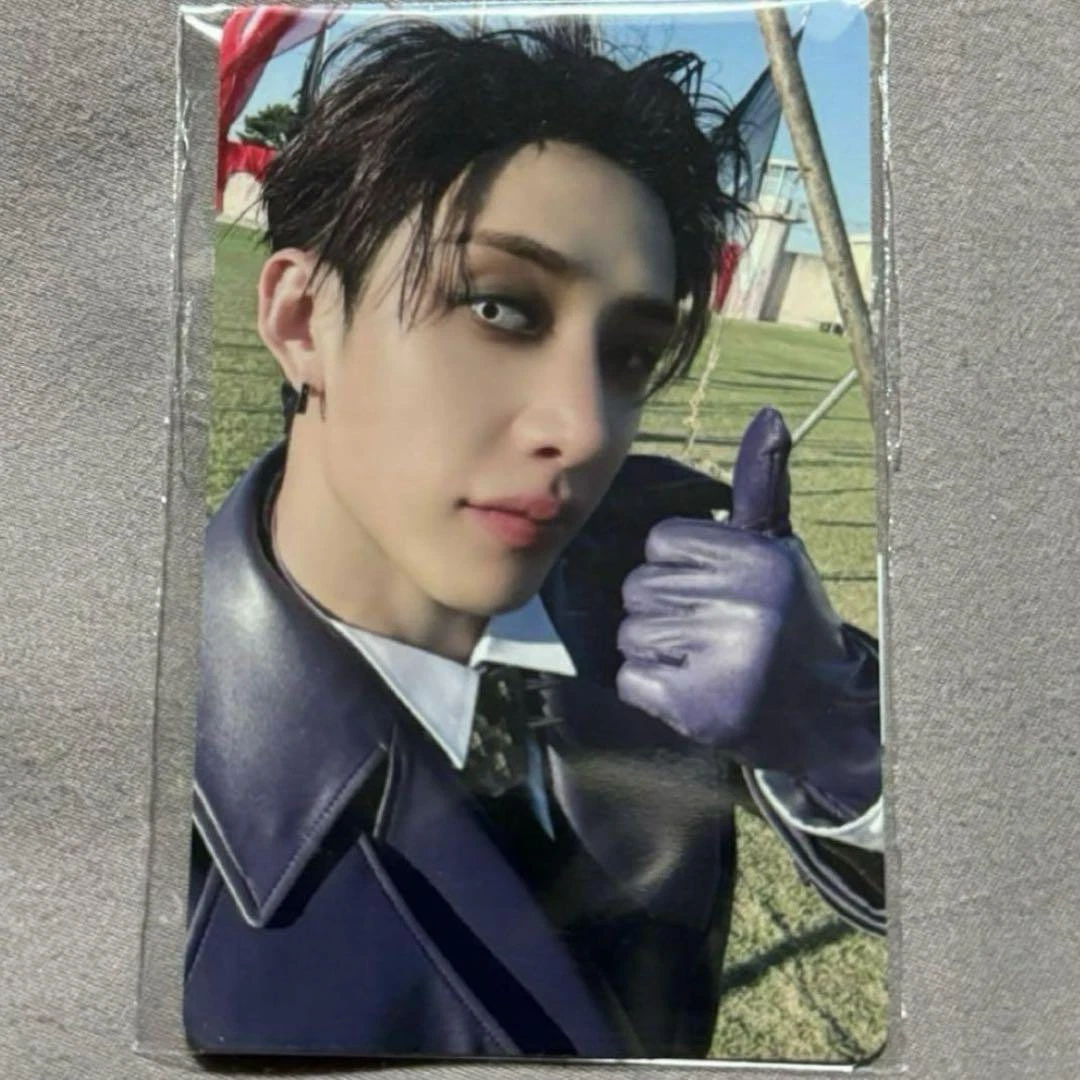
Bang Chan - HIPTAPE HOP Lucky Draw photocard
Broadcast examples are also varied. KCC shows Hongjoong’s ATEEZ GOLDEN HOUR : Part.4 broadcast card at $30.00–$80.00 and Hanni’s NewJeans Get Up broadcast card at $86.70–$172.89 .

Hongjoong - GOLDEN HOUR : Part.4 Broadcast photocard
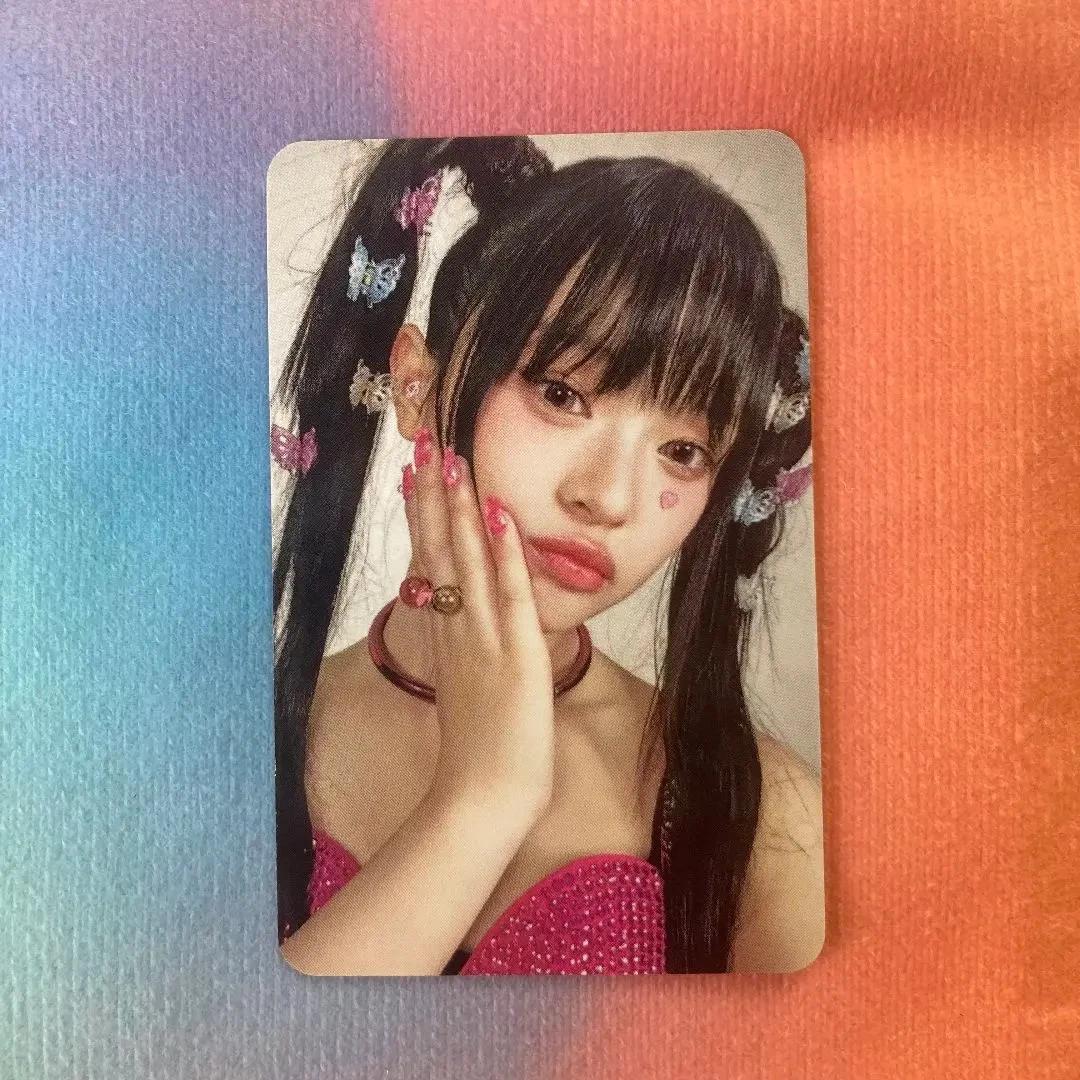
Hanni - Get Up Broadcast photocard
Those numbers describe exact cards. They do not establish a standard event premium or prove a copy count.
Regional and merchandise cards add another lane
Japanese editions, pop-ups, tours, fan meetings, and merchandise packs add cards outside the standard Korean album checklist. Sometimes the main obstacle is regional access or shipping. Sometimes a large merchandise run makes the card easier to find later.
KCC lists Huh Yunjin’s LE SSERAFIM Crazy Japan Limited card at $66.00–$300.00 and Lee Know’s Stray Kids Hollow Japan Limited card at $20.40–$60.00 .
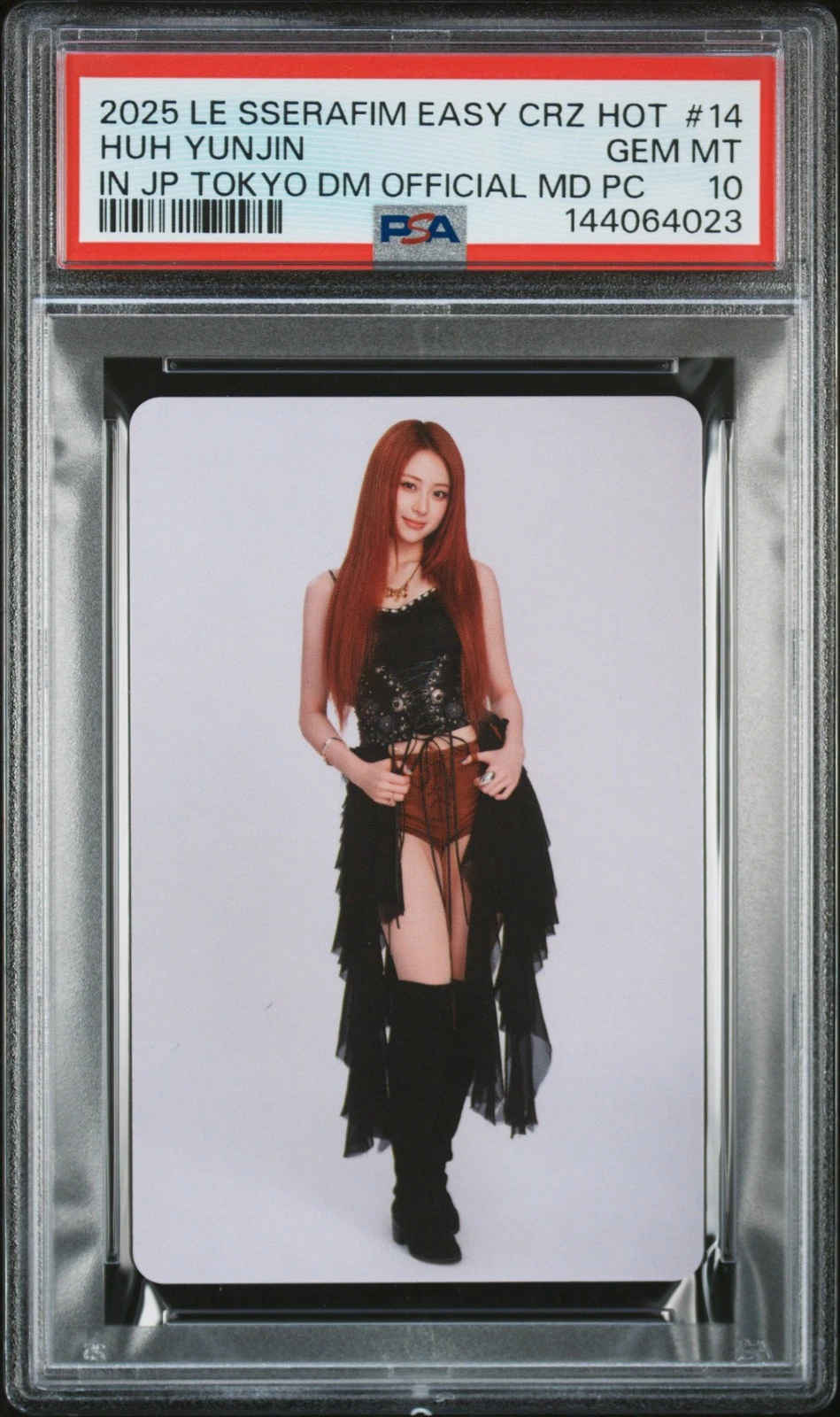
Huh Yunjin - Crazy Japan Limited photocard

Lee Know - Hollow Japan Limited photocard
The wide Yunjin range is a signal to inspect the underlying sales carefully, not a promise that any future copy belongs near the midpoint.
A binder plan that stays fun
Decide what “complete” means before the retailer rounds begin. You might collect album PCs only, one non-album card per era, one favorite store, or only photos you genuinely love.
Keep separate checklist sections for album, retailer, event, regional, and merchandise cards. That makes optional cards visible without turning every new announcement into a hole you must fill.
When pricing a non-album card, identify the exact store or event, round, member, and release. Compare accepted sales for that exact edition. A limited-looking finish, special logo, or urgent seller caption is not evidence of scarcity.
Non-album cards matter because they now carry a large share of an era’s visual storytelling. You can enjoy that wider menu without ordering everything on it.
Save cards. Follow your artists.
Create a free account to save cards you love and keep up with your favorite artists.